
Admin Safety Guard is a powerful yet lightweight WordPress security plugin that protects your login page and admin dashboard from hackers, bots, and brute-force attacks. It is built for anyone — from first-time bloggers to experienced developers — with a clean interface, clear settings, and features that work from the moment you activate it.
WordPress is the most popular website platform in the world, which also makes it the most targeted. Every day, thousands of automated bots scan WordPress sites looking for weak passwords, exposed login pages, and unpatched vulnerabilities. Admin Safety Guard closes those doors quickly and reliably, without slowing down your site or requiring any technical expertise.
Why WordPress Sites Get Hacked — And How Admin Safety Guard Stops It
Most successful WordPress attacks follow the same pattern:
- A bot finds your login page at the default
wp-login.phpaddress. - It tries thousands of username and password combinations (brute-force attack).
- Once inside, it installs malware, steals data, or takes over your site.
Admin Safety Guard blocks every step of this attack chain — for free.
Free Features
Limit Login Attempts (Active by Default)
Automatically block any IP address that fails too many login attempts. You control the number of allowed attempts, the lockout duration, and the message shown to blocked users. Brute-force attacks become impossible when attackers are locked out after 3 failed tries. Login Limit Attempts is the only feature enabled by default on fresh install, so your site is protected the moment you activate the plugin.
Custom Login URL
Move your login page away from the default wp-login.php address. Bots and automated scanners will never find your login page because it simply does not exist at the expected location. You can set any slug you like, and the plugin handles redirect rules automatically. You can also set a custom redirect URL for after login and after logout.
Two-Factor Authentication (2FA) via Email OTP
After a user enters their correct password, a one-time passcode (OTP) is sent to their email address. They must enter that code to complete the login. Even if a hacker steals a password, they cannot get in without also accessing the user’s email inbox. You can customise the OTP email subject and body to match your brand.
Google reCAPTCHA (v2 & v3)
Add Google reCAPTCHA to your login form to block automated bots in real time. Both reCAPTCHA v2 (the familiar checkbox) and v3 (invisible, score-based) are supported. Simply enter your site key and secret key from Google, choose your version, and reCAPTCHA will handle the rest silently in the background.
IP Blocking
Manually block specific IP addresses from accessing your login page entirely. If you notice a suspicious IP in your activity log or receive repeated failed login alerts, add that IP to the block list and it will be turned away immediately. Perfect for stopping known bad actors before they become a problem.
Login Logs & Activity Tracking
See exactly who is logging in to your site and when. The activity dashboard shows successful logins, failed login attempts, IP addresses, user agents, and timestamps in a clear, searchable table. You will always know if something unusual is happening on your site, and you have the evidence to act on it.
Security Analytics Dashboard
The built-in analytics dashboard gives you a real-time overview of your site’s security health. It shows your overall Security Score (based on how many features you have enabled), recent login activity, failed login trends, and a breakdown of which security features are active versus inactive. It is the first page you see when you open the plugin, giving you immediate situational awareness.
Hide Admin Bar (by Role)
Choose which user roles see the WordPress admin bar on the front end of your site. For example, you can hide the admin bar from subscribers and customers while keeping it visible for editors and administrators. This reduces information leakage and gives non-admin users a cleaner experience.
Password Protection (Site-Wide)
Lock your entire website behind a password. Visitors must enter the correct password before they can view any content. This is ideal for staging sites, coming-soon pages, client previews, or any situation where you want to restrict public access temporarily. You can set the access duration and exclude specific user roles from the password requirement.
Privacy Hardening — Disable XML-RPC
The WordPress XML-RPC interface is a common target for brute-force and DDoS amplification attacks. With one toggle, you can disable it completely. Unless you rely on XML-RPC for mobile app publishing or specific third-party integrations, disabling it is a safe and recommended step for almost every WordPress site.
Login Page Customisation & Branding
Replace the default WordPress logo on the login page with your own logo. Set the logo width, height, and URL. Choose from pre-built login page templates to give your login form a professional, branded appearance. This is especially useful for agencies delivering client sites and for anyone who wants a polished, consistent look.
Firewall & Malware Overview
The Firewall & Malware section gives you a central view of your site’s firewall and malware protection status. It shows all related features in one place so you can see what is active and what still needs attention, making it easy to build up your security layer by layer.
Pro Features
Admin Safety Guard Pro extends the plugin with advanced security tools designed for agencies, developers, and high-traffic sites.
Passwordless Login (Magic Links)
Let users log in with a secure, one-time link sent to their email — no password needed. Magic links expire after a single use, making them more secure than passwords for many workflows.
2FA via Mobile Authenticator App
Add Google Authenticator or Authy-compatible two-factor authentication to your login flow. Users scan a QR code once, then generate time-based OTP codes from their phone app. This is the same method used by banks and enterprise software.
Social Login
Allow users to log in with their existing Google, Facebook, or other social media accounts. Reduce friction at sign-up and login, while keeping full control over which providers are allowed.
Database Table Prefix Check
The default WordPress database prefix wp_ is well-known to attackers and makes SQL injection easier. This Pro tool detects your current prefix and guides you through changing it to a unique, random value to close that vulnerability.
Strong Password Enforcement
Set a minimum password strength policy for your users. When they update their password, it must meet your requirements — rejecting weak, guessable passwords before they become a security risk.
Advanced Firewall & Malware Scanner
Scan your WordPress files and database for known malware signatures, suspicious code injections, and modified core files. Get alerts when threats are detected and take action directly from the plugin dashboard.
Upgrade to Pro to unlock all Pro features.
Who Is Admin Safety Guard For?
Bloggers & Content Creators
You focus on writing — not on managing server security. Admin Safety Guard protects your login page and admin area quietly in the background with zero ongoing maintenance required.
Small Business Owners
Your website is your business. A hack can bring it down, damage your reputation, and cost you money. Admin Safety Guard gives you enterprise-level login protection without the enterprise price tag.
WooCommerce Store Owners
An online store holds customer data, payment details, and order history. Limit login attempts, add 2FA, and lock down your admin area so only you and your trusted team can get in.
Freelancers & Web Designers
Deliver more secure sites to clients out of the box. Customise the login page with the client’s branding, lock down the admin bar by role, and hand over a professional, secure WordPress installation every time.
Agencies & Development Teams
Manage security across multiple client sites with a consistent, repeatable setup. All features are toggle-based and clearly documented, making it easy to onboard new team members and maintain a security standard across your portfolio.
Developers & Site Administrators
Fine-tune every setting — login attempt limits, lockout durations, OTP email templates, reCAPTCHA version, redirect URLs, IP block lists, and more. Admin Safety Guard is built on WordPress hooks and filters, so it plays well with the rest of your stack.
What Makes Admin Safety Guard Different?
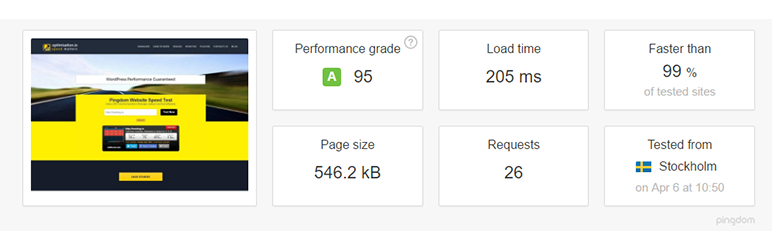
- Lightweight by design. Assets are loaded only on the pages that need them. The plugin has no impact on your site’s front-end load time.
- No configuration required to get started. Limit Login Attempts is enabled automatically on install. Your site is more secure the moment you activate the plugin.
- All features are clearly labelled Free or Pro. You can see exactly what is available and what requires the Pro version before making any decisions.
- Clean, modern dashboard. The settings UI is built with React for a fast, app-like experience. Finding and configuring features takes seconds, not minutes.
- Built to WordPress standards. Every input is sanitised, every output is escaped, all AJAX requests use nonce verification, and every database query uses prepared statements.
Support
For any issues, questions, or feature requests, please reach out via Support.
External Services
This plugin uses the following third-party and external services:
1) Google reCAPTCHA (Google LLC)
Purpose:
Used to protect forms from spam and automated abuse.
When it is used:
– When reCAPTCHA is enabled in plugin settings
– On login forms and support forms protected by reCAPTCHA
What data is sent:
– User IP address
– reCAPTCHA response token generated by Google
– Browser information as required by Google reCAPTCHA
Service provider:
Google LLC
Terms of Service:
https://policies.google.com/terms
Privacy Policy:
https://policies.google.com/privacy
2) ThemePaste API (Plugin Author Service)
Purpose:
Used for:
– Collecting optional admin email addresses for plugin updates and notifications
– Sending support requests from the plugin support form
– Collecting optional feedback when a user attempts to deactivate the plugin
– Managing plugin-related notifications (only if the user provides contact details)
When it is used:
– When a user submits the built-in support form
– When a user opts to send diagnostic information
– Submitting the optional deactivation feedback form
What data is sent:
– Name
– Email address
– Phone number (if provided)
– Message content
– Site URL
– Plugin name
– Feedback text (if provided)
– Support message content
– Deactivation reason (if provided)
No data is sent without user action.
Service provider:
ThemePaste.com
Terms of Service:
https://themepaste.com/terms-condition
Privacy Policy:
https://themepaste.com/privacy-policy
Development / Source Code
This plugin includes compiled JavaScript bundles in:
– assets/admin/build/*.bundle.js
The original (human-readable) source files are included in this plugin under:
– spa/admin/
Build Tools
– Node.js (LTS recommended)
– npm
– Webpack + Babel
Source Entry Points
The admin SPA bundles are built from the following entry points:
- spa/admin/login-template/Main.jsx -> assets/admin/build/loginTemplate.bundle.js
- spa/admin/login-logs-activity/Main.jsx -> assets/admin/build/loginLogActivity.bundle.js
- spa/admin/analytics/Main.jsx -> assets/admin/build/analytics.bundle.js
- spa/admin/security-core/Main.jsx -> assets/admin/build/securityCore.bundle.js
- spa/admin/firewall-malware/Main.jsx -> assets/admin/build/firewallMalware.bundle.js
- spa/admin/privacy-hardening/Main.jsx -> assets/admin/build/privacyHardening.bundle.js
- spa/admin/monitoring-analytics/Main.jsx -> assets/admin/build/monitoringAnalytics.bundle.js
Install Dependencies
From the plugin root directory (or the directory where package.json exists):
1) Install dependencies:
npm install
Build (Production)
To generate the production bundles:
npm run build
Output Location
Webpack outputs the compiled bundles to:
- assets/admin/build/[name].bundle.js
Important Notes
– Do not edit files in assets/admin/build/ directly. They are generated files.
– Edit the source files under spa/admin/ and re-run the build command.
– For WordPress.org distribution, production builds should be used (mode=production).
Links
Website
Documentation
Pro Version
Facebook
Pinterest
LinkedIn
Instagram